A Guide to Trails and Park Terrain
Exploring the New Forest: A Guide to Trails and Park Terrain

There is a specific smell that hits you the moment you step out of the car in the New Forest. It is a mix of damp oak leaves, ancient soil, and honestly, a little bit of horse manure. But that is part of the charm. It smells like the outdoors is supposed to smell.
If you have never been, you might picture a dense, dark woodland where you need a compass to survive a ten-minute walk. The reality is much friendlier. The New Forest is a massive, open mosaic of heathland, grassy lawns, and pockets of ancient trees. It feels less like a survival challenge and more like a very large, very wild park. This makes it one of the best places in the UK to just walk. You do not need to be an expert hiker to enjoy it. You just need the time to wander.
The Terrain Challenge
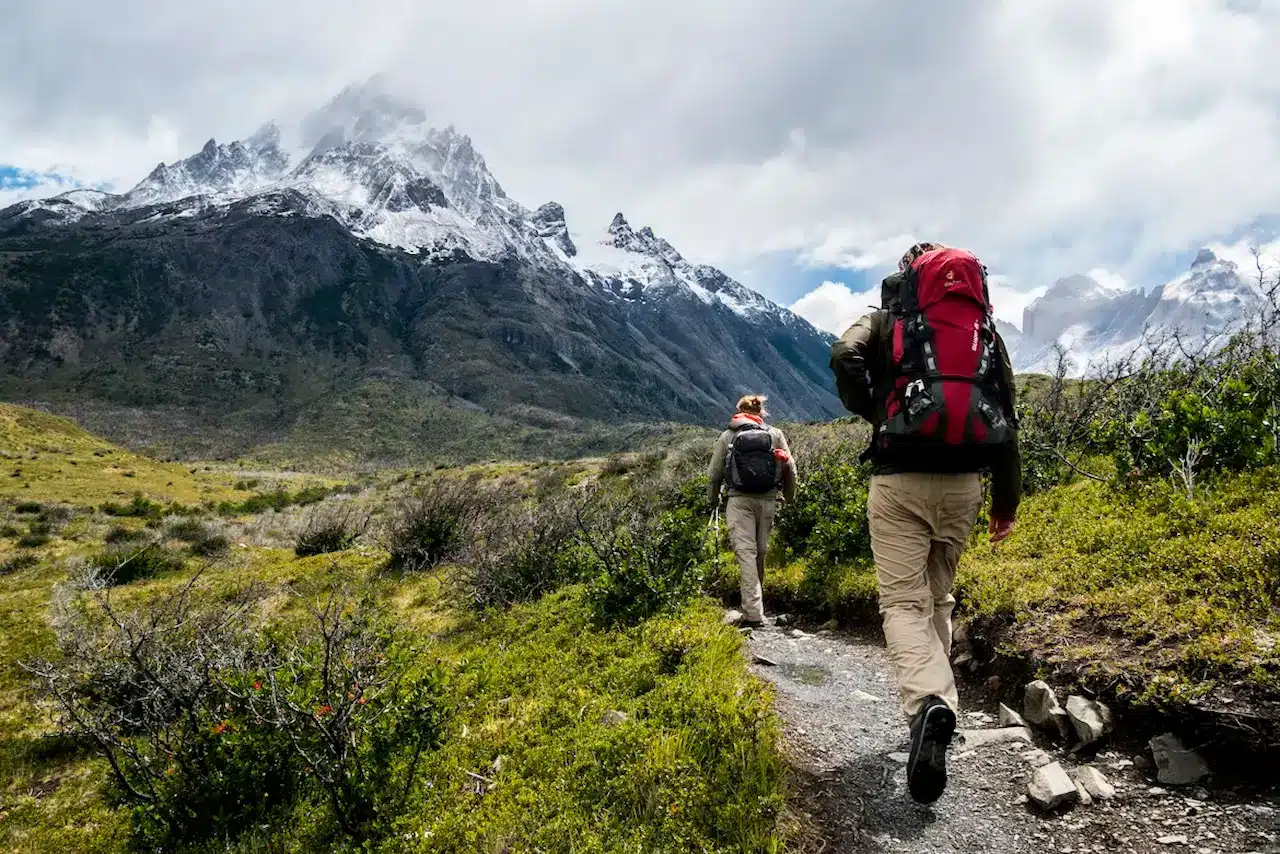
Here is the thing about walking here. The ground is deceptive. It looks flat. And mostly, it is. But “flat” does not mean “easy” or “consistent.” You will be walking on compacted gravel tracks one minute, soft pine needles the next, and then suddenly you are navigating a patch of boggy grass that wants to steal your shoe.
This brings up a practical point before we get to the specific trails. What you put on your feet actually matters here.
I have seen people trying to hike these paths in flip-flops. Bad idea. I have also seen people clunking around in stiff, heavy mountaineering boots designed for the Alps. Also not great. The New Forest is what I like to call “park terrain.” It is rugged but accessible. You need something that can handle moisture and uneven ground but still offers enough flex to be comfortable for a pub lunch afterward.
This is why hybrid footwear has become so popular for this kind of landscape. You want the grip of a boot but the comfort of a sneaker. If you look at something like the Vans MTE collection, you see exactly what I mean. These are built to handle the elements, with water-resistant materials and serious traction, without feeling like you have strapped bricks to your ankles. They bridge the gap perfectly for terrain that is wet and wild but not vertical.
Having the right gear just removes the friction from the day. You stop worrying about wet socks and start looking at the scenery.
The Giants of the Forest: Tall Trees Trail
Okay, let’s talk about where to actually go.
If you want to feel small in the best possible way, head to the Blackwater Arboretum. This is home to the Tall Trees Trail. It is exactly what it sounds like. We are talking about massive Redwoods and Douglas Firs that tower over the path.
The loop is relatively short. Maybe a mile and a half. But you will take longer than you think because you will spend half the time looking up. The path here is wide and mostly gravel, which makes it accessible for almost everyone. It is a sensory experience. The air feels different under those trees. It is quieter. Dampened.
In the autumn, the colors here are ridiculous. Golds, rusty oranges, and deep greens. It is the kind of place that makes you want to put your phone away, although you will probably take fifty photos first. I know I do. Every single time.
It is worth noting that while this specific trail is well-maintained, exploring the wider walking routes around the Arboretum can lead you into muddier territory, so watch your step.
Where The River Meets The Woods: Beaulieu to Buckler’s Hard
If you prefer water views, this is the walk for you.
Start at the village of Beaulieu. It is picturesque, historic, and usually full of tourists eating ice cream. Walk away from the crowds toward Buckler’s Hard. The trail follows the Beaulieu River. This is where the terrain gets a bit more “New Forest.” You are walking on grass banks and dirt paths.
It is flat, but the ground can be soft.
The history here is fascinating. Buckler’s Hard was an 18th-century shipbuilding village. Ships for Nelson’s navy were built right there on the riverbank. As you walk, you can spot the old slipways. It is strange to imagine massive wooden warships being constructed in such a peaceful spot. The preservation efforts by the Buckler’s Hard maritime museum have kept the memory of those shipwrights alive, and you can almost feel the industry of the past as you stroll by the water.
Keep an eye on the river. You might spot a seal if you are lucky. Or at least some very confident ducks. The walk is about 2.5 miles each way. There is a pub at the end, the Master Builder’s House. I highly recommend stopping for a drink before heading back. It breaks up the walk and, frankly, you earned it.
The Wild Heart: Lyndhurst and the Open Heath
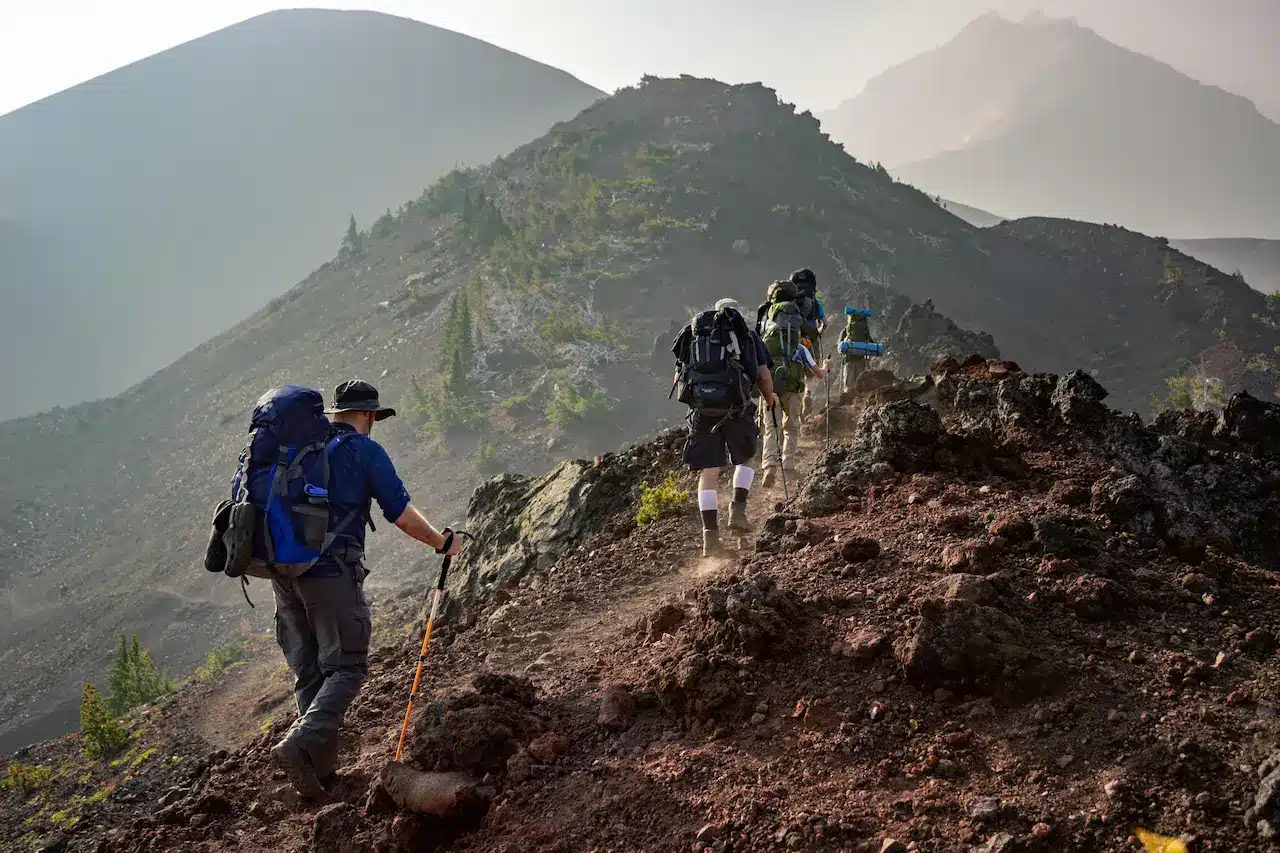
For a quintessential New Forest experience, you need to hit the heathland around Lyndhurst. This is where you get those big, open skies.
The terrain here is different again. Sandy soils. Gorse bushes that smell like coconut in the summer. Heather turns the whole landscape purple in late August. It is beautiful, but it is exposed. If it is windy, you will know about it.
This is also prime territory for spotting the iconic New Forest ponies. They are everywhere. They own the place. Seriously. They have the right of way on the roads and the trails. If you see a pony standing on the path, you go around. Do not try to pet them. They are cute, but they are semi-wild animals. They bite.
I learned that lesson the hard way. well, almost. A mare gave me a look that said “back off” very clearly, and I listened.
Walking the heathland feels liberating. You can see for miles. It is a stark contrast to the enclosed feeling of the Tall Trees Trail. It reminds you how diverse this national park actually is.
Understanding the “Pannage” Season
If you visit in the autumn, you might see something weird. Pigs. Lots of them.
This is an ancient practice called “pannage.” The locals release their pigs into the forest to eat the fallen acorns. Acorns are poisonous to the ponies and cattle, but the pigs love them. It is nature’s vacuum cleaning service.
According to the New Forest National Park Authority, this cycle is vital for the health of the forest ecosystem, preventing livestock poisoning while fattening up the pigs for winter. Seeing a pig root around in the leaves while you are on a hike is just funny. It adds a layer of personality to the forest that you do not get in other national parks. It feels lived-in. It feels like a working landscape, not just a museum piece for tourists.
A Few Rules of the Road
Because this is a working forest, there are rules. They are simple, but they matter.
- Close the gates. If you open it, shut it. This keeps the animals where they are supposed to be.
- Stick to the tracks. During bird nesting season (spring and summer), wandering off-path disturbs ground-nesting birds.
- Take your litter home. There are no bins in the forest. This is intentional. It encourages people to be responsible.
It is about respect. We are visitors in this ecosystem. The ponies, the deer, and the pigs live here. For a full breakdown of what to expect, the New Forest code offers a complete guide on how to tread lightly.
Getting Ready to Go
The beauty of the New Forest is its accessibility. You can decide on a Saturday morning to go, drive down, and be on a trail by lunch. It does not require days of planning or specialized survival gear.
It just requires a willingness to get a little muddy and the right pair of shoes to keep you comfortable. Whether you are exploring the deep woods of the Arboretum or the breezy banks of the Beaulieu River, the experience is grounding. It clears your head.
And honestly, we could all use a little more of that.
There is a rhythm to walking here. The crunch of the gravel. The wind in the oaks. It slows you down. So, check the weather forecast (it is England, after all, so bring a jacket), grab your footwear, and pick a trail. The forest is waiting.