
Practical Equipment for Life on the Road
Why Mobile Living Enthusiasts Love Practical Equipment for Life on the Road

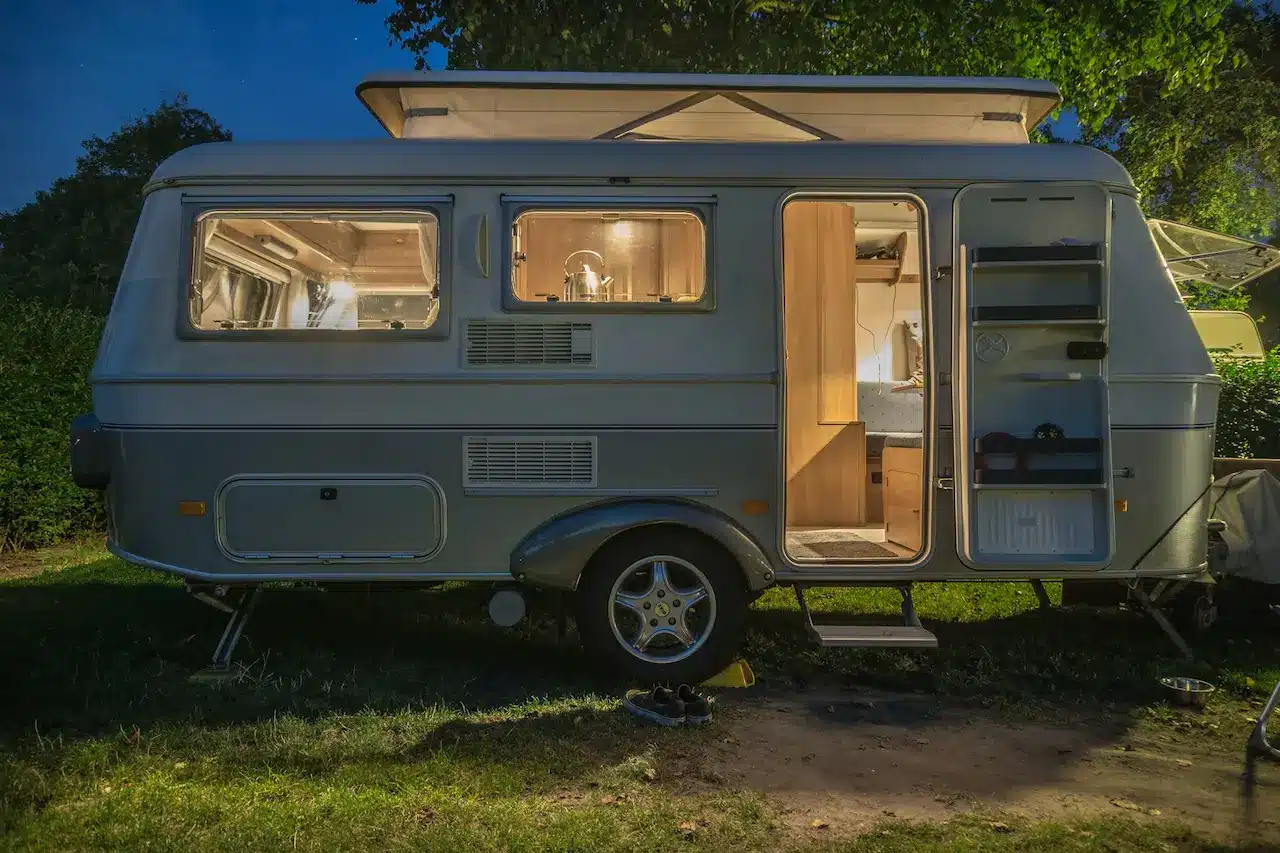
More people choose mobile living every year, from weekend caravanners to full-time digital nomads. Homes on wheels promise freedom, changing scenery, and a lifestyle that breaks away from traditional routines. That lifestyle only feels comfortable and sustainable when the equipment inside the vehicle actually works in real conditions, not just on a showroom floor. Practical gear turns a caravan, motorhome, or camper trailer into a functional home that supports real daily life.
The growth of this lifestyle shows in the numbers. Reports estimate that around 11 million households in the United States own an RV, and demand keeps rising as travel habits shift toward flexible road trips and outdoor stays.
The global recreational vehicle market revenue climbed from about 60.8 billion dollars in 2022 to nearly 74.7 billion dollars in 2024, which signals strong investment in mobile living worldwide. With so many people on the move, the difference between a frustrating trip and a smooth journey usually comes down to the quality and practicality of the equipment on board.
Why Practical Gear Matters for Mobile Living
Practical equipment supports the core promise of mobile living: freedom without constant stress. Every kilometer on the road vibrates bolts loose, shakes cupboards, and tests every seal and connector. Gear that survives this environment reduces breakdowns, protects personal belongings, and keeps trips enjoyable instead of exhausting. Thoughtful layouts, robust fixtures, and easy-to-service parts let travelers focus on experiences rather than constant repairs.
Mobile living also places unique demands on space and weight. Every item must justify the room it occupies and the kilograms it adds to the tow weight. Multi-purpose gear, such as nesting cookware, fold-away tables, and modular storage, provides daily benefits because each piece does more than one job. Practical choices save time during setup and pack-down, reduce clutter, and keep the caravan or camper feeling calm instead of chaotic.
Core Systems That Keep Life on the Road Running Smoothly
Behind every comfortable trip stands a network of systems that manage power, water, waste, and safety. Electrical wiring, plumbing, gas fittings, and braking components all need durable, road-tested parts to function reliably.
Mobile living enthusiasts rely on quality hardware because a weak link in any of these systems can interrupt the trip or create a safety risk far from a workshop. Many travelers build their rigs around caravan parts such as those at CARAC Australia, since specialist suppliers focus on components designed for real conditions rather than occasional holiday use. This kind of kit includes robust hitches, heavy-duty suspension parts, lighting solutions, and replacement fittings that match Australian road standards.
A well-chosen parts base supports upgrades, future modifications, and quick repairs, which keep the vehicle out of the repair bay and on the highway.
Thoughtful system planning reaches beyond the obvious components. Owners invest in quality hoses, regulators, filters, and monitoring gauges. These “small” parts protect major systems, prevent leaks, and give early warning when something drifts out of range.
A pressure gauge alerts the driver to tire problems before a blowout, and a water meter helps track storage levels before tanks run dry. Practical equipment turns system management into a series of simple checks rather than constant guesswork.
Smart Power and Energy Management on the Move
Modern mobile living often includes laptops, cameras, induction cooktops, fridges, fans, and even air conditioners. All of that equipment draws power, and a weak electrical setup quickly limits how long a traveler can stay off-grid.
Enthusiasts invest in deep-cycle batteries, solar panels, DC-DC chargers, and quality inverters to create a reliable power ecosystem. Many RV owners now add solar systems, with some reports showing that about one quarter of owners adopt solar solutions to support self-sufficient travel.
Smart energy management combines hardware with good habits. Travelers position panels for maximum sun exposure, balance high-draw appliances with low-energy options, and track battery levels through monitors rather than guesswork.
Efficient LED lighting, 12-volt fridges, and fans designed for low consumption stretch battery capacity further. Practical power gear gives owners confidence to camp away from crowded parks, work remotely, and maintain comfort even during cloudy stretches.
Storage and Space-Saving Solutions
Life on the road means living with a smaller footprint, so clever storage ranks high on the list of priorities. Well-designed cupboards, drawers on runners, and under-bed compartments keep gear accessible and secure while the vehicle moves.
Storage that locks firmly in place prevents rattles and stops items from shifting during braking and cornering. Modular crates or bins help separate tools, pantry items, clothing, and outdoor gear, which saves time when setting up camp or packing away.
Enthusiasts pay attention to weight distribution as well as volume. Heavy items such as toolkits, spare parts, and extra water sit low and close to the axle when possible. That placement supports stable towing and protects suspension components. Soft items like bedding and clothing fill upper cupboards and overhead lockers. Practical storage solutions respect both comfort and vehicle dynamics, which leads to safer handling and longer hardware life.
Cooking and Food Management in Compact Spaces
Cooking in a caravan or camper feels very different from cooking in a full-size kitchen, yet practical equipment turns this challenge into part of the fun. Compact stoves, combination ovens, and well-insulated fridges support varied menus without filling the entire interior. Many travelers add portable induction cooktops or gas barbecues for outdoor cooking, which keeps the heat and smells outside the sleeping area.
Space-saving cookware and utensils make a huge difference. Stackable pots, folding colanders, and magnetic knife strips save room and reduce clutter. Airtight containers protect dry goods from moisture and pests, while clear labeling helps track supplies quickly.
Statistics show strong growth in RV travel and camping, and that trend aligns with a rising market for portable cooking solutions that match life on the road. Practical kitchen setups support healthy eating, cut spending on takeaway meals, and create a sense of home even when the address keeps changing.
Water, Hygiene, and Everyday Cleanliness
Water systems sit at the center of comfort on the road. Fresh water tanks, grey water storage, and sometimes black water systems all need reliable fittings, hoses, and valves. Simple equipment, such as food-grade hoses, inline filters, and solid connectors, reduces contamination risk and prevents leaks. Travelers often carry separate hoses for filling tanks and cleaning jobs, which helps maintain hygiene.
Bathroom setups vary from basic portable toilets to full shower cubicles, yet each relies on practical hardware. Efficient showerheads reduce water use without sacrificing comfort, and quality pumps maintain pressure across the system.
Many travelers add outdoor shower setups or washing lines to manage sand, mud, and laundry without soaking the interior. A kit of cleaning products, microfiber cloths, and small tools keeps the living space fresh and reduces wear on surfaces.
Safety, Maintenance, and Reliability
Safety equipment gives mobile living enthusiasts confidence to explore remote areas. Fire extinguishers, smoke and gas detectors, first-aid kits, and well-placed fire blankets protect against everyday risks. Strong door locks, window latches, and hitch locks add another layer of security, especially during overnight stays in unfamiliar areas. Lighting plays a role here as well, since bright exterior lights help people navigate safely around the vehicle after dark.
Routine maintenance protects that investment in practical gear. Travelers carry basic toolkits, spare fuses, light bulbs, hose clamps, and sealant so they can handle minor issues without rushing to a workshop. Regular checks on tire pressures, wheel nuts, suspension components, and brake wiring reduce the chance of breakdowns on long drives.
The RV industry supports hundreds of thousands of jobs worldwide, partly because owners rely on trained technicians for larger repairs and upgrades. Reliable equipment, backed by preventive care, turns long trips into predictable adventures rather than constant troubleshooting sessions.
Comfort, Climate Control, and Sleep Quality
Practical gear does not stop at mechanical or structural parts. Comfort items determine whether mobile living feels like a holiday or a daily struggle. Quality mattresses, blackout curtains, and effective ventilation systems support deep sleep and daytime relaxation. Roof vents with fans help move hot air out of the cabin, and insulated window coverings keep interiors cooler in summer and warmer in winter.
Climate control equipment, such as efficient heaters and compact air conditioners, extends the usable season for travel. Many enthusiasts choose diesel heaters or gas furnaces with thermostats for reliable warmth without heavy power draw.
Those who travel through hot regions often invest in shade awnings, reflective window covers, and portable fans. Practical comfort gear allows mobile living enthusiasts to follow their preferred climate rather than endure every temperature swing.
Choosing Gear That Matches Your Travel Style
Practical equipment looks different for each type of traveler. A couple who spend most nights in serviced caravan parks may prioritize interior comfort, easy set-up gear, and entertainment systems.
Another crew who loves remote camping may focus on larger water tanks, solar arrays, off-road suspension, and expanded storage for food and tools. The global recreational vehicle market continues to grow, and that growth encourages manufacturers to offer more tailored gear for different styles of travel.
Smart buyers start by mapping their real habits rather than idealized plans. They track how often they travel, what kind of roads they use, how long they stay off-grid, and which activities matter most.
That information guides decisions about power capacity, storage layouts, kitchen setups, and comfort upgrades. Practical gear always reflects real life. Equipment that supports existing habits sees daily use and delivers clear value, while impulse purchases tend to gather dust in a cupboard.

Mobile living enthusiasts love practical equipment because it turns a moving vehicle into a functional, comfortable home. Robust parts protect core systems, smart power setups keep devices running, and thoughtful storage solutions maintain order in small spaces. Quality cooking gear, water systems, safety equipment, and comfort upgrades round out the picture and support a wide range of travel styles. When owners invest in practical gear that matches their needs, life on the road feels smoother, safer, and far more rewarding.