Understanding Firearm Policies
Understanding Firearm Policies in and Around National Parks

Yes, a person can legally carry a firearm in national parks, but the rule is narrower than it sounds. Firearm policies in and around national parks start with a 2010 change in federal law.
That shift came through the Credit Card Accountability Responsibility and Disclosure Act, which tied possession rules to the surrounding jurisdiction. The National Park Service aligned its regulations with the new federal baseline.
Before 2010, National Park Service regulations generally prohibited carrying loaded, operable firearms in many park areas. After the change, possession is lawful only when it complies with the relevant state laws and applicable local rules.
Because parks often cross county lines, reservations, or even state borders, the legal answer can vary by location inside the same park. Travelers should check statutes for concealed carry, open carry, and prohibited places.
Legal possession also differs from legal use. A person may carry under state laws and still face strict limits on discharge, including bans on target shooting and restrictions near developed areas, roads, or wildlife.
For anyone sorting out rules in Tennessee before traveling to a park, resources such as Cash for Arms can provide context on handling and transfer, while official park pages clarify site-specific restrictions.
State Laws Determine What You Can Carry
State law serves as the primary authority for firearm carry within national parks. Understanding how your specific carry method intersects with these regulations is essential before any visit.
Open Carry vs. Concealed Carry Rules
National parks follow the state laws of the place where a person is physically standing. That means open carry and concealed carry can be treated very differently as you move through the park.
Some states allow constitutional carry, which generally means no concealed carry permit is required for eligible adults. Other states require a permit, limit how a handgun may be carried, or restrict carry in specific locations.
Key rules to keep in mind:
- The state boundary, not the park entrance sign, controls which carry rules apply.
- A permitless state may still regulate open carry differently than concealed carry.
- A concealed carry permit from one state may or may not be recognized by another.
If you carry in a vehicle, pay attention to storage and access rules, since some states treat loaded firearms in cars differently than carry on foot inside parks.
Parks That Span Multiple States
Multi-state parks add a practical twist. Yellowstone, for example, includes land in Wyoming, Montana, and Idaho, so the applicable rules can change during a single drive.
Plan your route and check maps before you arrive. If your itinerary crosses borders, research each state’s carry statutes, reciprocity policies, and prohibited places so your carry method stays lawful at every point.
Where Firearms Are Prohibited Inside National Parks
Even when state law allows possession on trails and roads, the rule changes the moment a person steps into federal facilities. National parks contain federal buildings that operate under separate restrictions than the surrounding land.
Firearms are prohibited inside all federal buildings within parks, including visitor centers, ranger stations, and administrative offices. The National Park Service treats these locations as gun-free spaces regardless of state carry laws, reciprocity rules, or permit status.
In practice, the boundary is the doorway, not the parking lot. Restricted areas are often posted with signs, but visitors remain responsible for recognizing which rooms, counters, and offices count as federal facilities, even during brief stops.
Key points to remember:
- Do not carry a firearm into visitor centers or other staffed offices.
- Secure the firearm lawfully before entering, based on the state’s vehicle storage rules.
- Do not assume a concealed carry permit overrides a posted federal notice.
Violating this restriction is a federal offense, and park law enforcement may respond quickly when a prohibited area is involved. Developing this awareness helps prevent mistakes during busy itineraries.
Discharging Firearms Is Always Prohibited
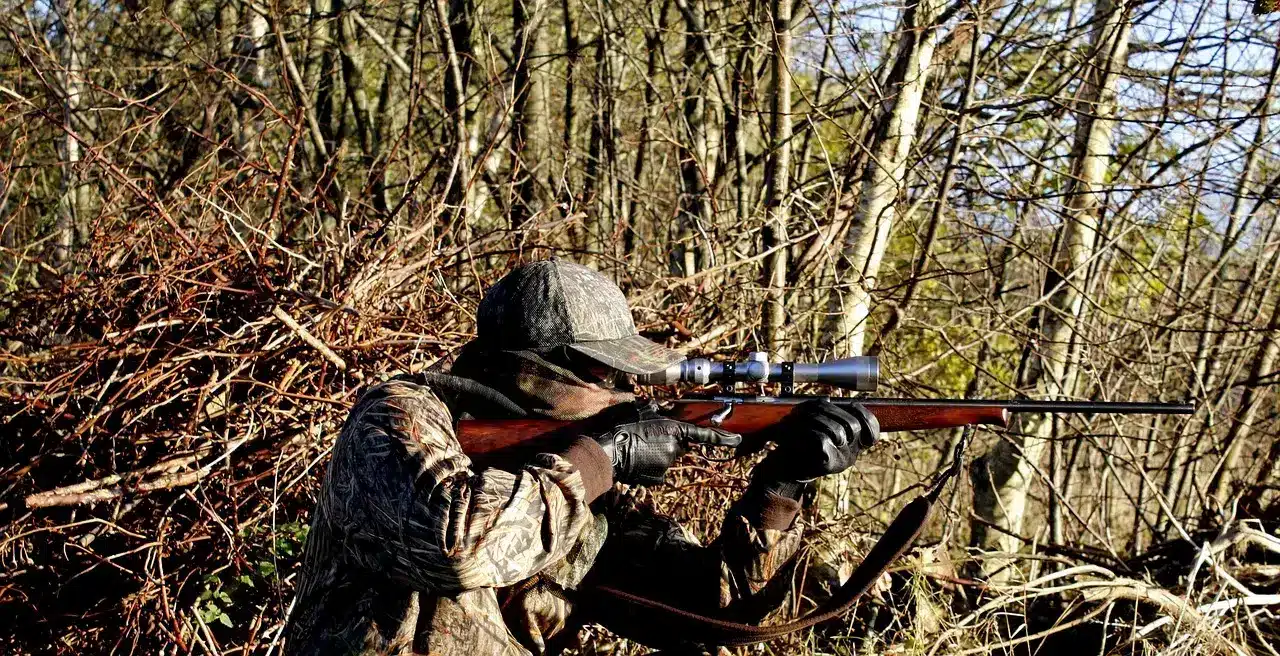
Legal possession does not extend to use. In national parks, discharging firearms is generally illegal even when state law allows a person to carry on trails or in a vehicle. The National Park Service treats gunfire as a resource and safety issue, not just a weapons issue.
This ban covers more than casual target practice. It also applies to hunting, firing across roads or developed areas, and many scenarios where someone claims self-defense. Park rangers and investigators look closely at necessity, backstops, proximity to people, and impacts on wildlife before accepting any justification.
Rules visitors should assume apply:
- No recreational shooting, plinking, or sighting in.
- No hunting unless a park unit specifically authorizes it.
- No firing to scare animals, signal others, or test a firearm.
Limited exceptions exist in certain park units that contain designated hunting areas or special management zones. Those exceptions typically require compliance with state seasons, park-specific rules, and permits, and they may restrict methods, calibers, or locations. Even a single shot can draw enforcement attention and disrupt other visitors’ experience nearby.
Transporting Firearms Through National Parks
Transporting a firearm through a national park usually follows the same framework as carrying: the controlling rules are the state laws where the vehicle is located. That means firearm transportation can change mid-trip when a park road crosses county or state boundaries.
Many states add vehicle-specific requirements that do not apply on foot. Common transport rules include:
- Keeping the firearm unloaded while driving
- Placing it in a locked case or locked trunk
- Storing ammunition separately or in a closed container
- Limiting access to the firearm from the passenger area
Trips that cross state lines require compliance with each state’s transport and access rules, even for brief portions of a drive. Federal law may also offer limited protection for interstate travel when the firearm is lawful at both the origin and destination and remains secured during transit, but details depend on the route and stops.
As mentioned in the section on prohibited areas, visitors should watch for posted rules near federal facilities. A stop at a visitor center can require securing the firearm before entering, based on local storage rules.
Key Takeaways for Your Next Park Visit
National parks reward preparation, and firearm rules are one area where assumptions cause problems. The National Park Service allows possession only to the extent that it matches the state laws in the place a visitor is standing.
Keep these compliance habits in mind:
- Check the carry and transport rules for every state and park segment on the route.
- Treat all visitor centers, ranger stations, and administrative offices as no-carry zones.
- Remember that possession can be legal while discharge remains prohibited in almost all park settings.
- When questions remain, call or email the park’s administration office before departure.
A quick review before leaving home reduces surprises at gates, trailheads, and facilities. It also helps visitors focus on safety, wildlife, and the experience rather than enforcement issues during a busy trip.